
Nordic Body
Walking and Fitness for the 50 and Over Crowd
Do you want to build a naturally healthy, strong, confident body and mind that will last a lifetime?
Free WAKE UP Strength Training Workout Video
Details emailed upon registration. We always protect your privacy.
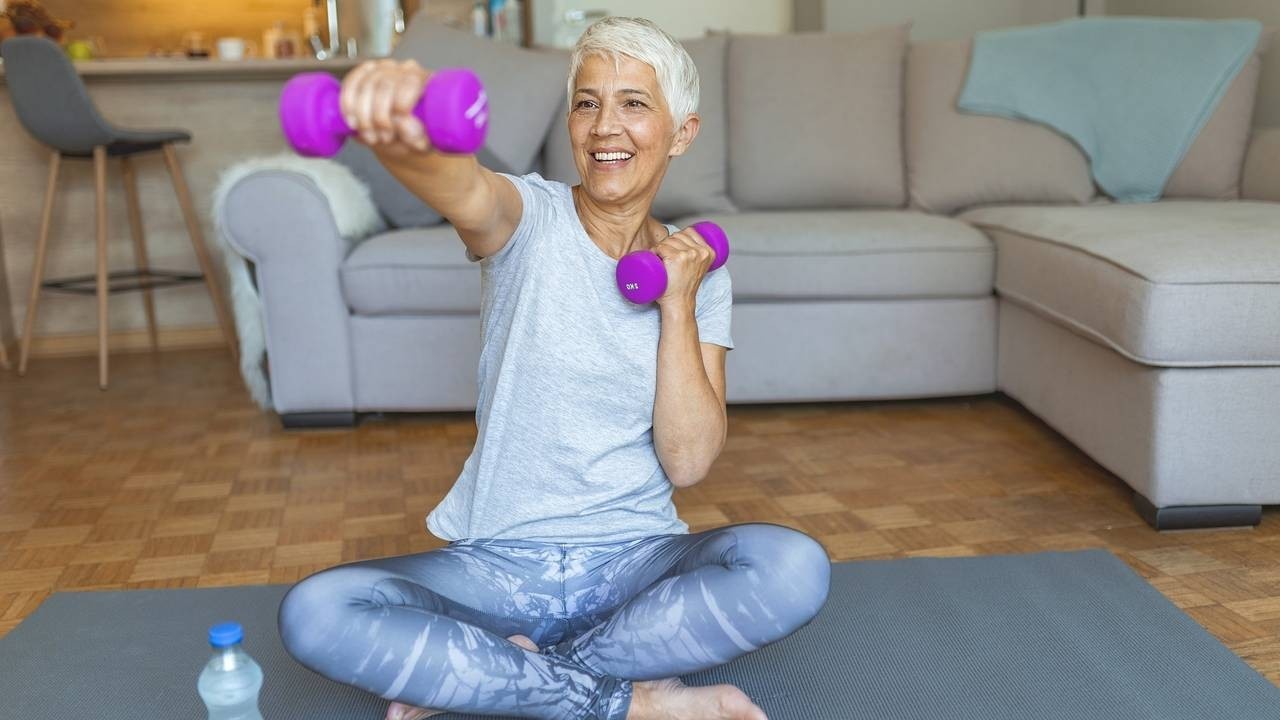


Nordic Body Online Membership Programs

EXPERIENCE
Experience a taste of what it's like getting into your best shape ever to live a fun, healthy, and fulfilling life.

COMMIT
Get everything in the EXPERIENCE level plus unlimited access to an amazing health and fitness library dedicated to helping you make a total commitment to your health.

TRANSFORM
Get the COMMIT level plus live group coaching and workouts in service to transforming your Body + Mind.
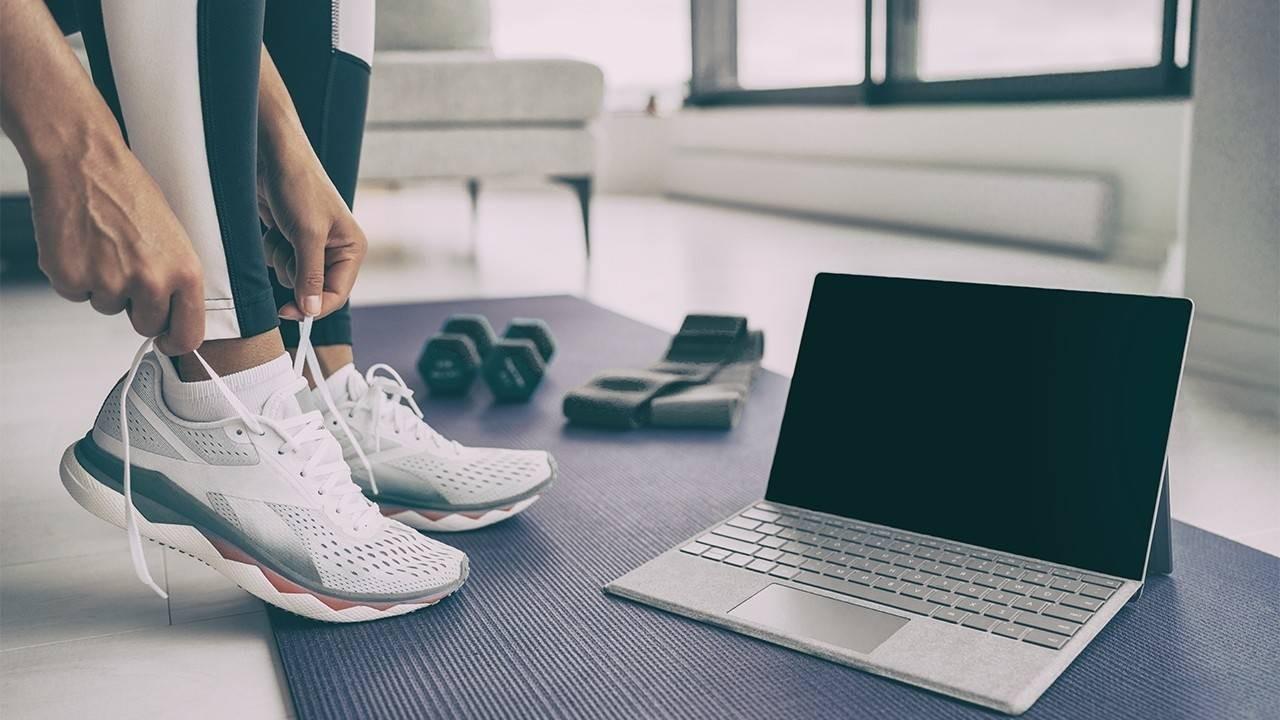
EXPERIENCE
Membership Program
As the program's name indicates, you will EXPERIENCE and get a taste of what it is like working out with the Nordic Body System, all from the comfort and safety of your own home. For a small monthly investment in your health, you will be able to join our monthly group workouts (recordings available) and online community for ongoing support and progress.
Start Your EXPERIENCECOMMIT
Membership Program
Now we are talking about making a real commitment to your health! Get all the support that comes with EXPERIENCE in addition to unlimited access to the Nordic Body Health and Fitness Library. Access includes exercise videos, meditation audios, and progress-tracking worksheets. With COMMIT you will get 24/7 support from our extensive online library so you can live a fun, healthy, and fulfilling life.
COMMIT To Your Health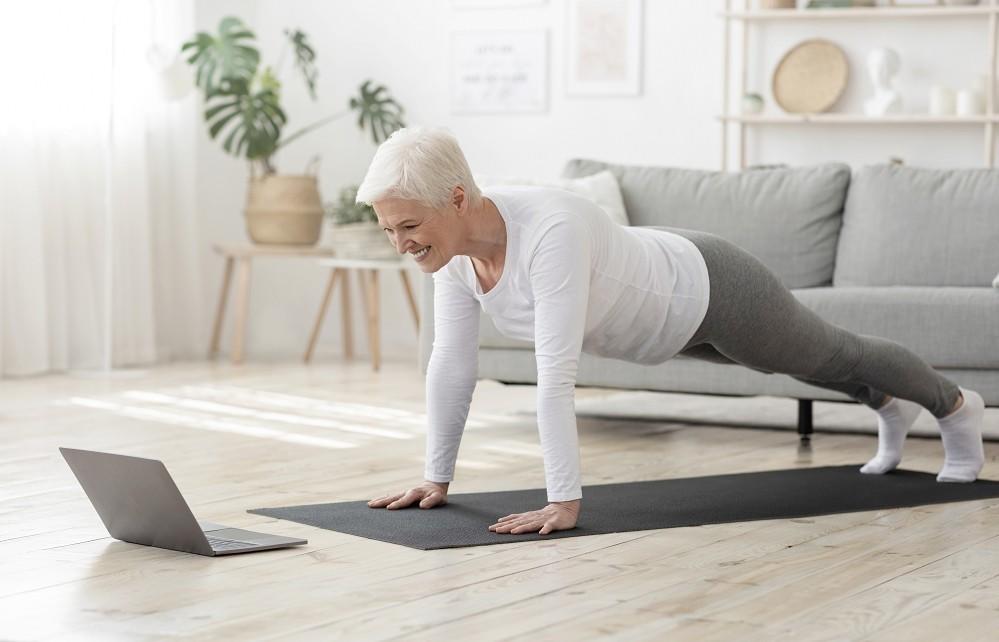
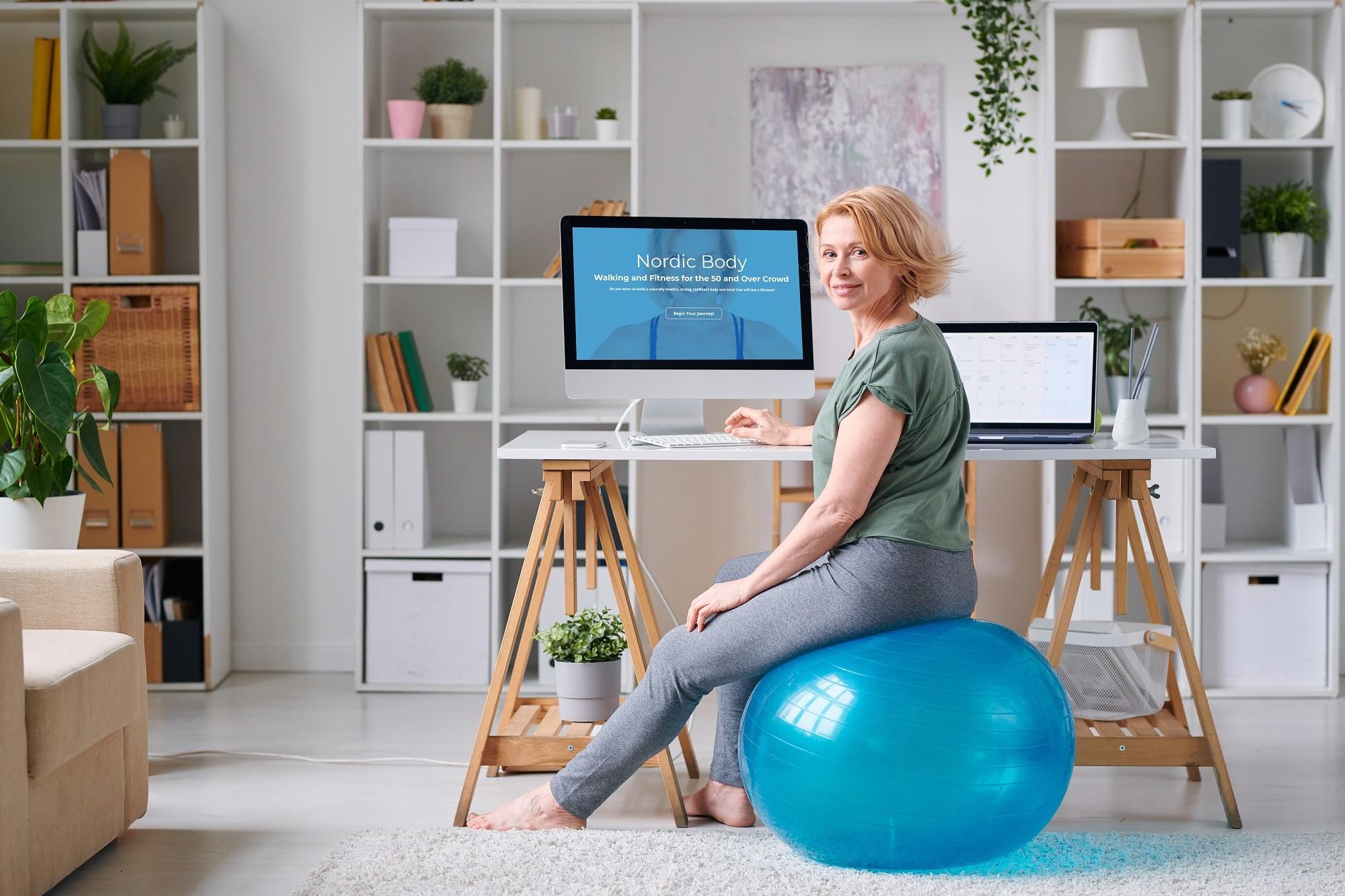
TRANSFORM
Membership Program
Are you ready for a complete transformation of Body + Mind? Of course your ready, and this membership level is for you. TRANSFORM delivers all the benefits of the EXPERIENCE and COMMIT programs, in addition to weekly workouts and group coaching online sessions. Get the health and fitness support and coaching you need to become unstoppable in your transformation to better health and well-being.
TRANSFORM Your Life
What Clients Say About Malin Svensson and Nordic Body
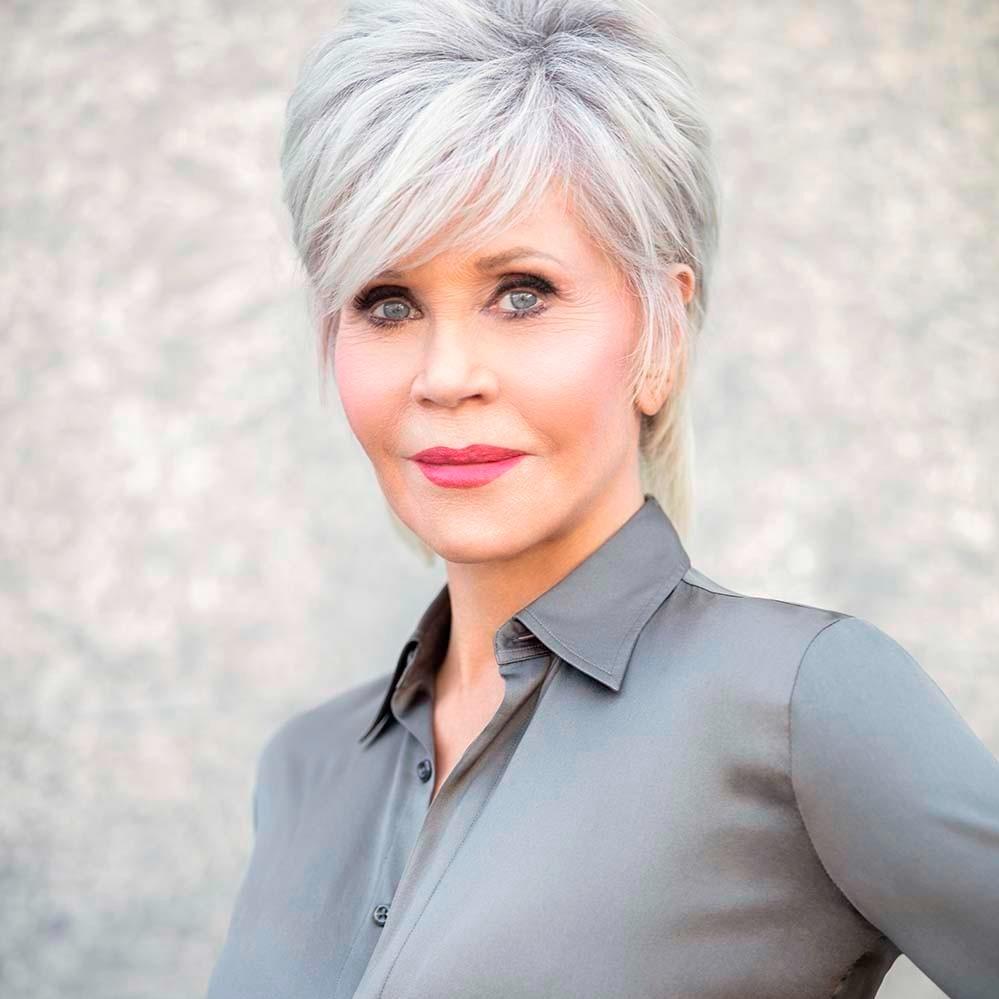
Jane Fonda
"I love working out under Malin’s watchful eye. She knows how to give me an effective, carefully constructed workout with emphasis on functionality — as it should be at my age!"

Eye-opening and Motivational
"The Strong Body + Mind Program was eye-opening and motivational. I learned practical strength-training exercises that I could do on my own and even at home. Malin is a great teacher who gets down to business and stays steady through her training and coaching.”
Brad Stauffer, West Hollywood

Back in Shape in my Fifties
“I was in my fifties when I decided to get back into shape. With Malin’s masterful training methods, she designed an impressive work-out for my needs. I have experienced several trainers at top rated gyms, but not one could compare to how talented, enthusiastic, inspiring, conscientious and thoughtful Malin is.”
Kathy Sarreal, Los Angeles
[email protected]
(310) 845-6072

